Ecosystem Stories: Gobi Partners, The New Wave of PH Innovation
The Filipino Startup Ecosystem Map by StellarPH shows the big picture, but behind every dot are real stories of people, research, and insights shaping the country’s future.
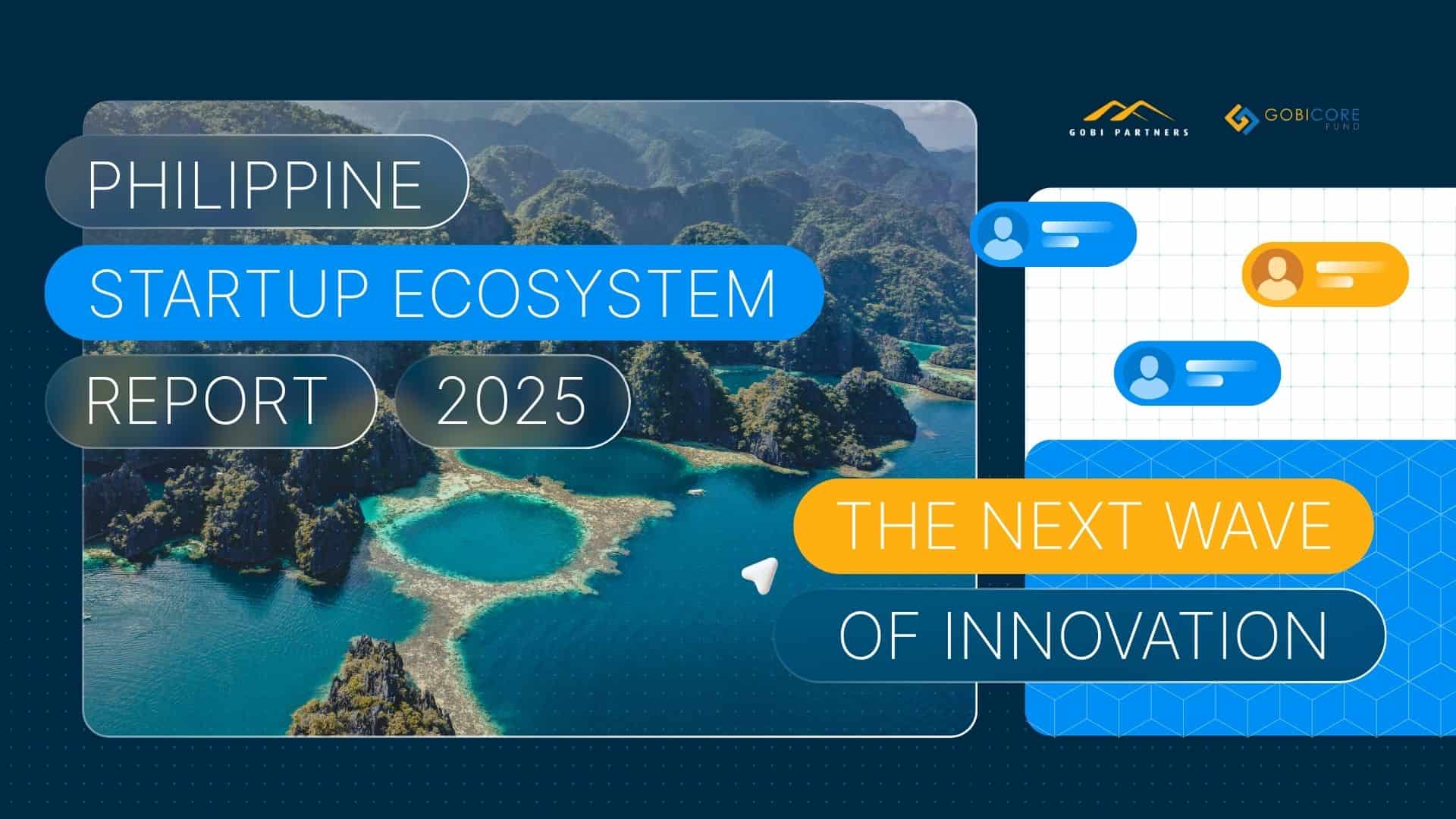
We sat down with Gobi Partners, one of Asia’s leading venture capital firms, to discuss their newly released Philippine Startup Ecosystem Report 2025: The Next Wave of Innovation. Gobi is stage-agnostic, investing across multiple stages through a network of around 25 funds.
Who is Gobi Partners?
StellarPH: Can you tell us about Gobi Partners and your presence in the Philippines?
Gobi Partners: Gobi Partners is a leading Asian-focused venture capital firm with over US$2 billion in assets under management and a presence in more than 16 locations across Asia. With a portfolio of over 400 companies, we’ve spent two decades backing entrepreneurs in high-growth and emerging markets.
In 2018, we launched the Gobi-Core Philippine Fund to invest in local startups, supporting top-performing companies such as Kumu, Etaily, FlowerStore.ph, and CloudEats.
The next wave of innovation
StellarPH: Your report calls this the “next wave” for Philippine innovation. What exactly is changing, and why is this moment different?
Gobi Partners: The Philippines is entering an Intelligent Era, where AI is no longer an add-on but a core layer shaping how startups operate, compete, and scale. Barriers to building AI-native solutions are dropping fast, and young founders, especially Gen Z and Gen Alpha, are already creating AI-first apps.
What makes this era different is that innovation has become more nuanced. The last decade was about going digital and connecting people. The next wave is about productivity, creativity, and sector-wide transformation.
With 97.5 million Filipinos online, startups contributing around 3% of GDP, and ~200,000 jobs supported, the ecosystem is primed for intelligent, high-value innovation. This opens opportunities for founders who can adapt quickly and investors who can identify teams ready to lead.
The real picture of funding
StellarPH: Funding cooled sharply in 2024. What are the local realities founders should understand?
Gobi Partners: Capital hasn’t disappeared, it’s evolved. Funding is now:
More selective
Thesis-driven
Focused on profitability and unit economics
The old “spray-and-pray” approach no longer works; investors now aim for moderate, consistent returns.
Globally, AI is dominating attention. Locally, the Philippines still lags behind ASEAN peers. Singapore’s ecosystem is valued at US$144B, Manila’s at US$6.3B. Malaysia may be smaller, but its policy infrastructure positions it for stronger growth.
The most resilient startups will bridge infrastructure gaps, align with policy, and demonstrate clear market demand. Lessons from Vietnam’s agility and Malaysia’s governance are increasingly relevant.
Founder identity & inclusion
StellarPH: Your data shows near gender parity among founders. What’s driving this, and what needs to happen for inclusion to translate into capital access?
Gobi Partners: The Philippines has one of the region’s most gender-inclusive ecosystems, influenced by cultural matriarchy and leadership diversity. In our survey, 49% of founders identify as women, up from 45% in our 2023 report.
Representation is just the first step. To translate inclusivity into capital, founders need visibility, mentorship, and evaluation practices that recognize diverse leadership. More investors are backing women-led teams, but equal participation must be matched by equal funding outcomes.
Beyond Manila: Emerging regional hubs
StellarPH: Cebu, Iloilo, and Davao are becoming innovation hubs. What’s happening on the ground?
Gobi Partners: Founders from Visayas and Mindanao are becoming more visible. These cities are emerging as credible hubs with strong communities, active LGUs, and collaborative universities.
On the ground, we see more pilots, faster tech adoption, and founders expanding internationally earlier. This momentum signals that innovation is no longer Manila-centric, and can thrive wherever talent, support, and community converge.
Breakout Sectors
StellarPH: Which under-the-radar sectors could define the next breakout stories in the Philippines?
Gobi Partners: FinTech and e-commerce remain strong, but rising sectors include:
Circular economy
Health tech
Climate and sustainability
Logistics and tourism
Agri and service-driven ventures
AI-native companies
Success will depend on the “iron triangle” of digital infrastructure, talent, and capital. These sectors are well positioned to turn early traction into breakout growth.
Policy reforms that matter
StellarPH: If you could push one high-impact reform, what would it be?
Gobi Partners: A government-anchored Startup Fund of Funds would deepen local capital formation and anchor long-term investor confidence. For founders, this translates into more consistent access to early- and growth-stage capital, as well as clearer pathways to regional expansion.
Other impactful reforms include startup visas to increase talent inflow and targeted tax reforms to strengthen business conditions. Together, these would improve competitiveness and help startups scale confidently across ASEAN.
What early-stage founders need to show
StellarPH: For pre-seed or seed founders in 2025–2026, what are the non-negotiables?
Gobi Partners: Three things are essential:
Scalability with a clear path to profitability
Strong business model and unit economics
Regional vision to compete beyond the Philippines
Founders must also show operational discipline and clarity on customer value, paired with a long-term vision aligned with the Intelligent Era.
Vision for 2030
StellarPH: Where do you see the ecosystem by 2030?
Gobi Partners: If progress continues, the Philippines could become a mature, globally recognized startup ecosystem. This includes:
More exits across sectors
A deeper pool of homegrown investors
Stronger government participation
Startups scaling across ASEAN could turn the Philippines from an emerging player into a regional innovation leader. With ~200,000 jobs already supported, the next five years are critical, defining whether the country becomes a decisive force in innovation.
Download the full Gobi Partners Philippine Startup Ecosystem Report here
This is just one story from the map. Many more are on the way. And we’re just getting started.
Explore the full Filipino Startup Ecosystem Map
Released
Written by
StellarPH